Mostrar mensagens com a etiqueta Gengibre. Mostrar todas as mensagens

Elixir anti-gripe

Fight the Cold Elixir, by Megan Morris | 10.12.2016

Ingredientes:
  • um limão, cortado às rodelas;
  • um pedaço de gengibre, com cerca de 10 g, descascado e finamente cortado;
  • uma colher (chá) de açafrão das índias em pó;
  • um pau de canela ou uma colher (chá) de canela;
  • 1/4 colher (chá) de pimenta cayenne;
  • uma pitada de pimenta preta moída;
  • uma ou duas colheres (sopa) de mel;
  • quatro a seis chávenas de água.

Modo de preparação:
Coloque todos os ingredientes, com excepção do mel, numa panela. Aqueça até ferver, diminua o calor e deixe cozinhar durante 10 minutos.
Desligue o fogo, quando arrefecer um pouco adicione o mel.
Coloque num termos e beba ao longo do dia.

Fonte e imagem: http://prescribe-nutrition.com/fight-the-cold-elixir/

PAD THAI

"Stir-fried noodles and vegetables with a spicy, slightly sweet flavour.

SERVES 4
PREP10 minutes
COOK 15 minutes

Ingredients
250g dried rice noodles
2 tsp rapeseed oil
6 spring onions, chopped at angle in 1cm pieces
3 cloves garlic, crushed
3cm fresh ginger, grated
1 Thai chilli, finely sliced
1 red pepper, finely chopped
1 courgette, cut into sticks
100g frozen broad beans
100g baby pak choi, leaves separated
200g beansprouts
75g canned pineapple, drained, chopped small
1 tbsp reduced-salt, gluten-free soy sauce
juice 1 lime
15g chopped coriander
50g unsalted peanuts, roughly chopped and toasted
1 lime cut into wedges 

Method
Cook the noodles according to the packet instructions, around 3-5 minutes. Plunge them into cold water, drain and reserve.
Heat the oil in a large pan or wok. Add the spring onions and stir-fry for 3 minutes. Add the garlic, ginger and chilli and stir-fry for another 2 minutes.
Add the red pepper and courgette, stir-fry for another minute add the broad beans and pak choy. Stir-fry for 1 minute.
Add the noodles, stir-fry for 2 minutes and add the beansprouts, pineapple, soy sauce and lime juice. Stir-fry for a further 2 minutes and add the coriander.
Put into a bowl, top with the peanuts and lime wedges.

Chef's tips
For a side dish, cut half a cucumber into ribbons with a vegetable peeler and add fresh coriander leaves and a squeeze of lime.To add more protein to this dish, use soya beans in place of broad beans or add some tofu".

Vegan dim sum buns

With a mushroom filling
“Soft steamed buns stuffed with Asian-style mushrooms and hoisin sauce – people will go mad for these! ”
Serves 8
Cooks In 45 minutes
Difficulty Not too tricky
Vegetables, Dinner Party, Lighter New Year, Party food

Nutrition per serving
Calories 304 15%
Fat 8.3g 12%
Saturates 3.9g 20%
Protein 7.9g 18%
Carbs 52.4g 20%
Sugars 4.8g 5%
Salt 1.3g 22%
Fibre 3.1g
Of an adult's reference intake

Ingredients
hoisin sauce, to serve
2 cloves of garlic, peeled
1 thumb-sized piece of fresh ginger, peeled
½ bunch of fresh coriander
groundnut oil
450 g mixed mushrooms , such as shitake and chestnut
2 tablespoons rice wine vinegar
2 tablespoons sweet chilli sauce
2 tablespoons low-salt soy sauce
4 spring onions
1 fresh red chilli
1 tablespoon sesame oil
1 x 400 g tin of light coconut milk
500 g self-raising flour , or 2 filled coconut milk tins of flour, plus extra for dusting
sea salt
2 tablespoons sesame seeds

Method
To make the filling, finely slice the garlic and ginger. Pick the coriander leaves and set aside, then finely slice the stalks. Heat a splash of groundnut oil in a large frying pan over a medium-high heat, then add the garlic, ginger and coriander stalks. Fry for around 3 minutes, or until golden. Slice the mushrooms, then add to the pan for around 5 minutes, or until lightly golden brown.
Add the vinegar, chilli sauce and soy, then cook for a further 5 minutes, or until the liquid has boiled and bubbled away and the mushrooms are golden brown and starting to caramelise. Transfer to a bowl.
Trim and finely slice the spring onions, then add the white part to the bowl. Deseed and finely slice the chilli, then add half to the bowl, reserving the rest for later. Stir in the sesame oil, then set aside.
Add the coconut milk, 2 heaped tins’ worth of flour and a good pinch of salt to a food processor. Whiz to a dough, then transfer to a flour-dusted surface and roll into a thick sausage. Cut into 12 equal-sized pieces, roll into balls, then flatten into rounds, roughly ½cm thick.
Equally divide the mushroom mixture between each of the 12 dough circles (you'll need roughly 1 tablespoon of filling per circle), making sure to leave a 2cm gap around the edges. Pull and fold the sides over the filling, pinching the edges together to seal. Place upside-down (so the scruffy edges are underneath) in double-layered, lightly greased muffin cases and divide between two bamboo steamer baskets.


Place a wok over a high heat, then fill with 1 litre of boiling water and pop the steamer baskets on top. Reduce the heat to medium and steam for around 12 minutes, or until piping hot through and puffed up.
Meanwhile, toast the sesame seeds in a small frying pan over a medium heat. Once the buns are ready, sprinkle over the seeds and the reserved spring onions and chilli. Tear the coriander leaves on top, then serve with hoisin sauce for dipping.

My special vegan kofte

A twist on a Persian classic
“Sizzling hot vegan kofte, served with a delicious cashew and peanut sauce and a refreshing minty yoghurt dip ”
Serves 4
Cooks In1 hour
DifficultySuper easy
Vegetables, Dinner Party, Vegan, Vegetarian

Nutrition per serving
Calories 443 22%
Fat 26.1g 37%
Saturates 6.8g 34%
Protein 19g 42%
Carbs 34.7g 13%
Sugars 8.8g 10%
Salt 1.3g 22%
Fibre 8.1g
Of an adult's reference intake

Ingredients
1 teaspoon coriander seeds
1 teaspoon cumin seeds
1 thumb-sized piece of fresh ginger
2 cloves of garlic
olive oil
2 courgettes
fine sea salt
1 large bunch of fresh coriander
1 x 400 g tin of chickpeas, drained
40 g fine breadcrumbs
freshly ground black pepper

For the minty yoghurt dip:
½ a cucumber
3 sprigs of fresh mint
4 tablespoons organic soya yoghurt
1 lemon

For the nutty sauce:
1 small onion
1 clove of garlic
100 g cashew nuts
140 ml light coconut milk
2 tablespoons smooth peanut butter


Method
Toast the coriander and cumin seeds in a small frying pan over a medium heat for 2 to 3 minutes, then tip into a pestle and mortar and bash to a coarse powder.
Peel and finely chop the ginger and garlic, then add to the frying pan over a medium heat with a splash of oil. Fry for 2 to 3 minutes, or until golden, then place into a food processor with the toasted spices.
Coarsely grate the courgettes, place into a colander in the sink, then sprinkle with a good pinch of fine sea salt. Squeeze the mixture together with your hands to get rid of the excess moisture, then add to the processor. Pick the coriander leaves and set aside, then add half the coriander stalks to the processor with the chickpeas, breadcrumbs and a pinch of salt and pepper. Pulse until combined, but not smooth – you want to retain a bit of texture.
Transfer to a clean work surface then, with wet hands, divide and shape the mixture into eight little fat fingers. Place onto a tray, then pop in the fridge to chill for around 20 minutes. 
Meanwhile, make the minty yoghurt dip. Halve the cucumber lengthways, scoop out and discard the watery seeds, then roughly chop. Pick and finely slice the mint leaves, then place into a bowl with the cucumber, yoghurt and a squeeze of lemon juice. Mix well.
To make the nutty sauce, peel and finely slice the onion and garlic, then finely slice the remaining coriander stalks. Place into a large frying pan over a medium heat with a splash of oil, then cook for a few minutes, or until golden. Add the cashew nuts and toast for a further 2 to 3 minutes, then transfer to a food processor. Add the coconut milk and peanut butter, then blitz until thick and smooth.
Return the large frying pan to a medium heat with a splash of oil. Once hot, add the kofte and cook for around 2 minutes, or until golden and piping hot through, turning regularly. Divide the kofte between your plates, tear over the coriander leaves, then serve with the nutty sauce and minty yoghurt dip and lemon wedges for squeezing. Delicious with pitta breads or fluffy rice.

NOODLES PARA RESSACA

"Vegetais crocantes, massa de ovo e um ovo estrelado
Esta receita super saborosa e rápida de massa de ovo é perfeita para quando se sente em baixo.

Porções 4
Tempo de preparo 20 minutes
Nível de dificuldade Muito fácil
Vegetais, Vegetariana, Sem laticínios, Asiática

Valores nutricionais por porção
Calorias 537 27%
Gordura Total 25.1g 36%
Gordura Saturada 5.2g 26%
Proteína 25.1g 56%
Carboidrato 48.3g 19%
Açúcar 7g 8%
Valores de referência para um adulto.

Ingredientes

1 pedaço (5 cm) de gengibre
1 dente de alho
2 colheres (sopa) de molho de soja (shoyu) com baixo teor de sódio
3 colheres (sopa) de vinagre de vinho branco
3 colheres (sopa) de óleo de sésamo
1 couve chinesa
500g de bróculos frescos ou congelados
250g de massa de ovos média
200g de ervilhas-torta
4 ovos grandes
azeite
molho de piri-piri, para servir


Modo de Preparo

Esta refeição super-rápida e saborosa é perfeita para quando você estiver se sentindo meio devagar ou com um pouco de ressaca, já que ela é cheia de coisas boas. Temperar os noodles com um molho é genial, e um ovo frito com gema mole por cima é um bônus. Regue com muito molho de piri-piri para garantir que você irá acordar.
Descasque o gengibre e o alho e rale-os finamente em uma tigela grande. Adicione o molho de soja, o vinagre, o óleo de sésamo e uma pitada de sal e pimenta, então mexa bem para preparar o molho. Apare e rasgue o repolho e coloque-o em uma panela grande com água fervente salgada, junto com os bróculos (corte primeiro em buquets, se utilizar os frescos) e com os noodles para cozinhar por cerca de 3 minutos; adicione a ervilha-torta no último minuto. Escorra bem e misture com o molho na tigela.
Enquanto isso, frite os ovos em uma frigideira grande antiaderente com um fio de azeite sobre fogo médio até ficar no ponto de sua preferência (eu gosto do meu com a gema mole). Divida os noodles entre tigelas individuais, acomode um ovo por cima de cada porção e sirva regado com o molho de piri-piri, para aquele toque tão importante.
Usar noodles integrais neste prato, como você vê na foto, fica realmente bacana – eles são mais caros, mas possuem uma textura e um sabor ótimos. Apenas lembre-se de seguir as instruções da embalagem, pois eles podem precisar de mais tempo de cozimento. Sinta-se livre para adicionar vegetais frescos ou sobras na receita."

Spiced aubergine dip

Makes 600 g
Cooks In1H 35M plus cooling
Difficulty Not too tricky
Vegetables, Picnic, Party food, Dairy-free
Nutrition per serving

Calories 49 2%
Fat 2.1g 3%
Saturates 0.3g 2%
Protein 1.7g 4%
Carbs 6.5g 3%
Sugars 4.7g 5%
Salt 0.03g 1%
Fibre 2.4g
-
Of an adult's reference intake


Ingredients

2 large  aubergines
2 onions
4 cloves of garlic
1-2 green chillies
4 cm piece of ginger
4 ripe tomatoes
1 bunch of fresh coriander
1 tablespoon vegetable oil
2 tablespoons curry powder
oven-baked corn tortillas


Method

Preheat the oven to 220ºC/gas 7.
Prick the aubergines all over with a fork, then place on a roasting tray. Roast for 50 minutes to 1 hour, or until the skin blackens and chars and the flesh can be easily pierced with a spoon. Allow to cool to room temperature.
Cut the cooled aubergines in half, scoop the flesh into a food processor and pulse until smooth. Set aside.
Peel and finely chop the onion and garlic, trim and finely slice the chillies, and peel and finely grate the ginger (you should end up with roughly 2 teaspoons). Roughly chop 3 of the tomatoes and slice the remaining, then pick and finely chop the coriander leaves.
Heat the oil in a large frying pan. Add the onion and sauté for 5 to 6 minutes, or until softened.
Add the garlic, ginger and chilli, then stir-fry for 1 to 2 minutes. Stir in the tomatoes and curry powder and cook for a further 12 to 15 minutes, or until softened.
Next, add the reserved aubergine and cook, for 3 to 4 minutes, stirring regularly. Stir in the coriander, then remove from the heat.
Garnish with the extra tomato slices, and serve with the oven-baked corn tortillas.

Fonte e imagem: http://www.jamieoliver.com/recipes/vegetables-recipes/spiced-aubergine-dip/#Cd4DLzUEGXAXqbUA.99

22 Healthy Foods to Always Have in Your Fridge

"BY DARSHANA THACKER

Here’s a master list to use when you’re stocking up on healthy ingredients and essentials. Filling your kitchen with healthy foods makes cooking delicious dishes a pleasure, not a chore. Although it looks like a long list, it’s worth it to stock up on condiments and frozen goods, since they will last for a long time.


1. Staple Vegetables
For vegetables, stock up on carrots, celery, beets, and bell peppers, because they have a better shelf life than other vegetables. You can use them in stews, for making stock, with dips as a snack, and in a lot of other types of recipes.

2. Staple Fruits
For fruit, stock up on apples, grapes, berries, and pears. These last a long time in your fridge, and are good for snacking or in oatmeal and baked goods.

3. Greens Like Lettuce, Spinach, and Kale
Fresh greens are always good for making a quick salad or for steaming or sautéing. You can also throw them in stews, soups, and healthy scrambles.

4. Fresh Herbs
Fresh herbs add flavor and freshness to almost any recipe you’ll make. My favorites are cilantro, parsley, thyme, sage, dill, and rosemary. If the herbs are damp, then wrap them in a dry paper towel before storing; if dry, wrap them in a damp paper towel before storing.


5. Dates and Dried Fruit
It’s always a good idea to have dates and other dried fruits in your fridge. Keep your favorites on hand, whether they’re raisins, dried figs, dried apricots, currants, or cranberries. You will get a lot of use out of a small amount in place of sweeteners and in baking.

6. Nuts and Seeds
We use them sparingly at Forks Over Knives, but nuts are good to have in case you don’t have nut milk—you can quickly make some nut milk at home. You can also use nuts and seeds to garnish your salads or main dishes.

7. Plant-Based Milks
Stock up on any plant-based milk that you like, whether it’s almond, soy, rice, cashew, hemp, or rice milk. You can always use it in breakfast cereals, for making baked goods, and in any dish that requires a creamy texture. Just like with nuts and seeds, please use sparingly.

8. Salsa
Good quality store-bought salsa makes cooking easier, as you can use it in main dishes and as a dip or a dip ingredient.

9. Mustard
Always have some mustard you like in the fridge, whether it’s Dijon, yellow, spicy brown, or another variety. You can use it on sandwiches and in dressings and sauces.

10. Hummus

Some good hummus is always useful to have in your kitchen, since you can use it as a dip or as a sandwich spread. Try this delicious low-fat hummus recipe.

11. Nutritional Yeast
Nutritional yeast adds a cheesy flavor to food, so it’s a good vegan ingredient to have on hand. You can use it in pasta, in dips, and in other savory dishes.

12. Miso Paste
Miso is a flavoring agent that’s great for cooking, and along with nutritional yeast, adds a good cheesy flavor to dishes.

13. Tahini or Peanut/Nut Butters
Tahini, peanut butter, and other nut butters are good for making sandwiches,dressings, and baked goods.

14. Tamari or Soy Sauce
Tamari or regular soy sauce is useful for making Asian dishes, for overall flavor, and in dressings.

15. Hot Sauce
I love hot sauce because it adds spice and kick to dishes. When you buy it at the store, try to find an oil-free brand with just a few ingredients.

16. Cacao Powder
Keep some cacao powder in your kitchen to make any dessert that requires chocolate.
For the Freezer…

17. Cooked Beans
Whenever you make a batch of beans, double the recipe so that you have extra to freeze. This cuts down a lot of prep time during the week.
To thaw: remove from the freezer and thaw in the fridge overnight, or run under hot water to use them immediately.

18. Cooked Grains
Just as with beans, grains freeze and reheat beautifully. Store extra cooked rice andquinoa in your fridge and quick meals will be a breeze.
To thaw: remove from the freezer and thaw in the fridge overnight, or steam them to use them immediately. Or place the frozen grains in a bowl, and set into a larger bowl partially filled with very hot water.

19. Frozen Vegetables
Stock up on frozen vegetables like corn, vegetable medleys, edamame, and green peas, and you will always have healthy options when you’re cooking.

20. Frozen Fruit
When your grocery store is having a sale, stock up on frozen bananas, frozen berries, and other frozen fruits. You can use them when baking, snacking, or in smoothies.

21. Garlic and Ginger
Garlic and ginger are excellent to have for flavoring savory dishes, so I store minced garlic and grated ginger in small freezer bags when I have extra. There’s no need to defrost it before using.

22. Corn, Rice, and Wheat Tortillas
These freeze well, and tortillas are endlessly useful when making tacos, wraps,quesadillas, and other handheld meals.

Ready to cook?"


Fonte e imagens: http://www.forksoverknives.com/22-healthy-foods-to-stock-fridge/

THAI NOODLE SOUP


"Serves 4
Ready In: 45 minutes

INGREDIENTS:
1 medium yellow onion, peeled and thinly sliced
1 medium carrot, peeled and julienned
6 ounces shiitake mushrooms, stems removed 
6 cloves garlic, peeled and minced
1 tablespoon minced ginger
2 cups sliced bok choy
4 cups Vegetable Stock or low-sodium vegetable stock
2 tablespoons low-sodium soy sauce
Zest and juice of 1 lime 1 serrano chile, stemmed and sliced into thin rounds (for less heat, remove the seeds)
6 ounces brown rice noodles, cooked according to package directions, drained, and kept warm 
1 cup mung bean sprouts
½ cup chopped cilantro

Once the ingredients are prepped for this soup, the dish comes together quickly.
Sautéing the vegetables first shortens the stewing time, so there’s no need to spend long hours over a soup pot. This is a great onepot meal that makes serving dinner a snap.

 Instructions:
1. Place the onion, carrot, and mushrooms in a medium pot and sauté for 7 to 8 minutes. Add water 1 to 2 tablespoons at a time to keep the vegetables from sticking to the pan.
2. Add the garlic, ginger, bok choy, vegetable stock, soy sauce, lime zest and juice, and serrano chile. Bring to a boil over high heat.
3. Reduce the heat to medium, and simmer for 10 minutes.
4. To serve, divide the noodles between four individual bowls. Pour the broth over the ingredients and garnish with the mung bean sprouts and cilantro."

7 Cancer-Fighting Culinary Spices and Herbs

By Christina T. Loguidice, Maurie Markman, MD, and Carolyn Lammersfeld from Cancer Nutrition and Recipes For Dummies

"Spices and herbs have long been used for medicinal purposes, such as fighting indigestion and other digestive problems. Although science is uncertain about the direct benefits of consuming certain spices and herbs with regard to protecting against and fighting cancer and its side effects, their indirect beneficial effects may be more easily recognized.
One such effect is their unique flavor profile, which ranges from strong to mild, with only small amounts needed to create a whole new taste sensation. When cancer-related loss of appetite and taste changes occur, which can lead to undesirable weight loss, adding herbs and spices to your cooking may help stimulate your taste buds and reinvigorate your appetite.

Ginger

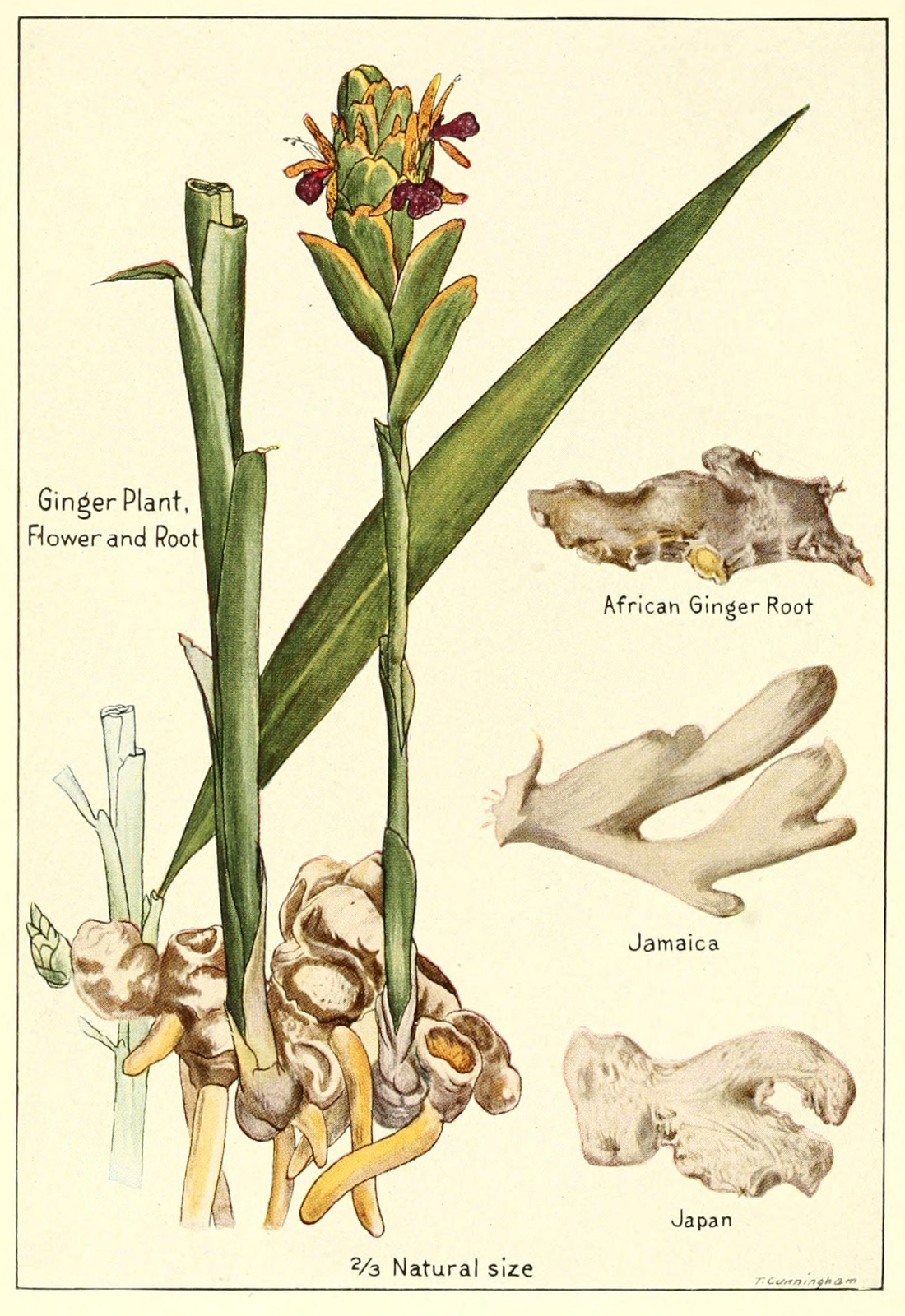
Ginger has long been used in folk medicine to treat everything from colds to constipation. Ginger can be used fresh, in powdered form (ginger spice), or candied. Although the flavor between fresh and ground ginger is significantly different, they can be substituted for one another in many recipes. In general, you can replace 1/8 teaspoon of ground ginger with 1 tablespoon of fresh grated ginger, and vice versa.
Consuming ginger and ginger products, in addition to taking any anti-nausea medications as prescribed, may provide some comfort for a queasy stomach during cancer treatment.

Rosemary

Rosemary is a hearty, woody Mediterranean herb that has needlelike leaves and is a good source of antioxidants. Because of its origin, rosemary is commonly used in Mediterranean cooking and you’ll often see it included as a primary ingredient in Italian seasonings. You can use it to add flavor to soups, tomato-based sauces, bread, and high-protein foods like poultry, beef, and lamb.
Rosemary may help with detoxification; taste changes; indigestion, flatulence, and other digestive problems; and loss of appetite. Try drinking up to 3 cups of rosemary leaf tea daily for help with these problems.

Turmeric

Turmeric is an herb in the ginger family; it's the ingredient that makes many curries yellow and gives it its distinctive flavor. Curcumin appears to be the active compound in turmeric. This compound has demonstrated antioxidant and anti-inflammatory properties, potentially protecting against cancer development.
Turmeric extract supplements are currently being studied to see if they have a role in preventing and treating some cancers, including colon, prostate, breast, and skin cancers. Although results appear promising, they have largely been observed in laboratory and animal studies, so it’s unclear whether these results will ultimately translate to humans.

Chile peppers

Chile peppers contain capsaicin, a compound that can relieve pain. When capsaicin is applied topically to the skin, it causes the release of a chemical called substance P. Upon continued use, the amount of substance P eventually produced in that area decreases, reducing pain in the area.
But this doesn’t mean you should go rubbing chile peppers where you have pain. Chile peppers need to be handled very carefully, because they can cause burns if they come in contact with the skin.
Therefore, if you have pain and want to harness the power of chile peppers, ask your oncologist or physician about prescribing a capsaicin cream. It has shown pretty good results with regard to treating neuropathic pain (sharp, shocking pain that follows the path of a nerve) after surgery for cancer.
Another benefit of chile peppers is that they may help with indigestion. Seems counterintuitive, right? But some studies have shown that ingesting small amounts of cayenne may reduce indigestion.
 

Garlic

Garlic belongs to the Allium class of bulb-shaped plants, which also includes chives, leeks, onions, shallots, and scallions. Garlic has a high sulfur content and is also a good source of arginine, oligosaccharides, flavonoids, and selenium, all of which may be beneficial to health. Garlic’s active compound, called allicin, gives it its characteristic odor and is produced when garlic bulbs are chopped, crushed, or otherwise damaged.
Several studies suggest that increased garlic intake reduces the risk of cancers of the stomach, colon, esophagus, pancreas, and breast. It appears that garlic may protect against cancer through numerous mechanisms, including by inhibiting bacterial infections and the formation of cancer-causing substances, promoting DNA repair, and inducing cell death. Garlic supports detoxification and may also support the immune system and help reduce blood pressure.

Peppermint

Peppermint is a natural hybrid cross between water mint and spearmint. It has been used for thousands of years as a digestive aid to relieve gas, indigestion, cramps, and diarrhea. It may also help with symptoms of irritable bowel syndrome and food poisoning. Peppermint appears to calm the muscles of the stomach and improve the flow of bile, enabling food to pass through the stomach more quickly.
If your cancer or treatment is causing an upset stomach, try drinking a cup of peppermint tea. Many commercial varieties are on the market, or you can make your own by boiling dried peppermint leaves in water or adding fresh leaves to boiled water and letting them steep for a few minutes until the tea reaches the desired strength.
Peppermint can also soothe a sore throat. For this reason, it is also sometimes used to relieve the painful mouth sores that can occur from chemotherapy and radiation, or is a key ingredient in treatments for this condition.

Chamomile

Chamomile is thought to have medicinal benefits and has been used throughout history to treat a variety of conditions. Chamomile may help with sleep issues; if sleep is a problem for you, try drinking a strong chamomile tea shortly before bedtime.
Chamomile mouthwash has also been studied for preventing and treating mouth sores from chemotherapy and radiation therapy. Although the results are mixed, there is no harm in giving it a try, provided your oncologist is not opposed. If given the green light, simply make the tea, let it cool, and rinse and gargle as often as desired.
Chamomile tea may be another way to manage digestive problems, including stomach cramps. Chamomile appears to help relax muscle contractions, particularly the smooth muscles of the intestines."


Korma vegetariana, Pilau simulado de couve-flor

Fotografia: David Loftus
"Eu sempre fico muito animado quando eu posso criar enormes, deliciosos sabores em caris sem o uso de qualquer tipo de carne, e, além de ser bom para você, é bom para a sua carteira também. Para misturar um pouco as coisas, em vez de usar o arroz eu cozinho couve-flor de tal maneira que parece, sabe e age como o arroz - é realmente delicioso. Tente esta receita saborosa e eu prometo, até mesmo seus mais carnívoros de todos os companheiros será feliz.

Informação Nutritional - por dose:
  • Calorias 334kcal
  • Hidratos de carbono  48.7g
  • Açúcar 13.6g
  • Gordura 7.9g
  • Gorduras saturadas 1.1g
  • Proteínas 13.6g

Serves 4

Ingredientes

  • 1 colher (sopa) de amêndoas laminadas
  • 2 batatas doces grandes
  • azeite
  • 1 cebola roxa 
  • 2 dentes de alho
  • 1 pedaço de gengibre com o tamanho de um polegar
  • meio molho de coentros (15g)
  • 1/2-1 piri-piri fresco (opcional)
  • 1 mão cheia de folhas de caril
  • 1 colher (sopa) de pasta de caril tipo korma
  • 400 g de grão-de-bico
  • 1 couve-flor grande
  • 1/2-1 limão
  • 50 g queijo feta, (opcional)
  • 4 colheres (sopa) de iogurte natural magro (sem açúcar)

Preparação

Comece por torrar as amêndoas numa grande panela até ficarem levemente douradas, reserve. Esfregue as batatas doces até estarem limpas, em seguida, descasque e corte em pedaços de 4 centímetros e coloque-as na panela em fogo médio com um fio de azeite. Frite por cerca de 5 minutos, ou até dourar, enquanto você descascar a cebola, alho e gengibre, em seguida, finamente cortá-los com os talos de coentro e piri-piri (se estiver usando). Adicione as folhas de caril na panela e mexa por 1 minuto, em seguida, adicione todos os vegetais cortados com a pasta de caril e cozinhe por mais 5 a 1 0 minutos, ou até a cebola ter amolecido, mexendo ocasionalmente. Adicione o grão de bico com 600ml de água a ferver, trazer tudo à fervura. Reduza para ferver e cozinhe por cerca de 30 minutos, ou até engrossar.

Enquanto isso, lave a couve-flor, corte finamente o caule e adicione ao caril para cozer. Corte as florzinhas em pedaços do mesmo tamanho, até que esteja da mesma textura e tamanho como o arroz. Espalhe num prato para microondas e cubra.
Um pouco antes de servir, coza ao vapor ou no microondas, em potência alta durante 7 minutos, até estar cozida.

Adicionar o sumo de limão no caril, em seguida desintegre o queijo feta (se estiver usando). Espalhe o iogurte sobre o caril e mexa (ou sirva à parte), em seguida, polvilhe com as folhas de coentro e as amêndoas torradas. Espalhe a couve-flor para uma bela travessa e sirva-se
".

Blackberry & apple pie

Fotografia: David Loftus
"This is the best apple pie in the world. You can't go wrong with Bramley cooking apples, delicious blackberries and stem ginger. The cooking time can depend on how freshly picked the apples are, so the best thing is to cook them until they're softened first. And I don't know if you've noticed this, but blackberries in shops never seem to taste of anything these days unless they've just been picked from a local grower – so do try to get fresh ones if you can, or pick your own straight from the bush!
Nutritional Information - Amount per serving:
  • Calories 668kcal
  • Carbs 79.0g
  • Sugar 35.5g
  • Fat 33.9g
  • Saturates 20.2g
  • Protein 9.6g

Ingredients

  • 1 old-fashioned sweet shortcrust pastry recipe
  • 50 g butter, plus extra for greasing
  • 100 g golden caster sugar, plus extra for sprinkling
  • 2 large Bramley apples, cored, peeled and each cut into 16 wedges
  • 4 Cox apples, cored, peeled and each cut into 8 wedges
  • 1 heaped tablespoon chopped stem ginger in syrup
  • 150 g blackberries
  • 1 large free-range egg, beaten
  • ½ teaspoon ground cinnamon

Method

First, make your pastry dough, wrap it in cling film and rest it in the fridge for at least half an hour. Then preheat the oven to 180°C/350°F/gas 4. Put the butter and sugar into a saucepan and, when the butter has melted, add the apples, stem ginger and a tablespoon of the ginger syrup. Slowly cook for 15 minutes with a lid on, then add the blackberries, stir and cook for 5 more minutes with the lid off.

Meanwhile, remove your pastry from the fridge. Dust your work surface with flour, cut the pastry in half and, using a floured rolling pin, roll one of the pieces out until it's just under 1cm thick. (Rolling the dough between two layers of greaseproof paper will also stop it sticking to your rolling pin.) Butter a shallow 26cm pie dish and line with the pastry, trimming off any excess round the edges using a sharp knife.

Tip the cooled apples and blackberries into a sieve, reserving all the juices, then put the fruit into the lined pie dish so you have a mound in the middle. Spoon over half the reserved juices. Brush the edge of the pastry with beaten egg. Roll out the second piece of pastry, just as you did the first, and lay it over the top of the pie. Trim the edges as before and crimp them together with your fingers. Brush the top of the pie with the rest of the beaten egg, sprinkle generously with sugar and the cinnamon, and make a couple of slashes in the top of the pastry.

Place the pie on a baking tray and then put it directly on the bottom of the preheated oven for 55 to 60 minutes, until golden brown and crisp. To serve, slice the pie into portions and serve with a generous dollop of custard".

14 Foods That Fight Inflammation

"Is there an anti-inflammatory diet?
Inflammation is part of the body’s immune response; without it, we can't heal. But when it's out of control—as in rheumatoid arthritis—it can damage the body. Plus, it's thought to play a role in obesity, heart disease, and cancer.
Foods high in sugar and saturated fat can spur inflammation. “They cause overactivity in the immune system, which can lead to joint pain, fatigue, and damage to the blood vessels,” says Scott Zashin, MD, clinical professor at the University of Texas Southwestern Medical Center in Dallas.
Other foods may curb inflammation. Add these items to your plate today.

Fatty fish
Oily fish, like salmon, mackerel, tuna and sardines, are high in omega-3 fatty acids, which have been shown to help reduce inflammation. To get the benefits, however, you need to eat fish several times a week, and it should be cooked in healthy ways: In a 2009 study from the University of Hawaii, men who ate baked or boiled fish (as opposed to fried, dried, or salted) cut their risk of heart disease by 23% compared to those who ate the least.
Not a fan of fish? Consider fish-oil supplements. They can cut inflammation, although a 2013 study found that if a diet is too high in omega-6 fatty acids (found in processed foods and vegetable oil), fish-oil supplements may spur inflammation.

Whole grains
Consuming most of your grains as whole grains, as opposed to refined, white bread, cereal, rice, and pasta can help keep harmful inflammation at bay. That’s because whole grains have more fiber, which has been shown to reduce levels of C-reactive protein, a marker of inflammation in the blood, and they usually have less added sugar.
But a 2013 Harvard study found that not all products labeled “whole grain” are much healthier than their refined counterparts. To be sure you’re getting the benefits, look for foods with a whole grain as the first ingredient, and no added sugars.

Dark leafy greens
Studies have suggested that vitamin E may play a key role in protecting the body from pro-inflammatory molecules called cytokines—and one of the best sources of this vitamin is dark green veggies, such as spinach, kale, broccoli, and collard greens. Dark greens and cruciferous vegetables also tend to have higher concentrations of vitamins and minerals—like calcium, iron, and disease-fighting phytochemicals—than those with lighter-colored leaves.

Nuts
Another source of inflammation-fighting healthy fats is nuts—particularly almonds, which are rich in fiber, calcium, and vitamin E, and walnuts, which have high amounts of alpha-linolenic acid, a type of omega-3 fat. All nuts, though, are packed with antioxidants, which can help your body fight off and repair the damage caused by inflammation. Nuts (along with fish, leafy greens, and whole grains) are a big part of the Mediterranean diet, which has been shown to reduce inflammation in as little as six weeks.

Soy
Several studies have suggested that isoflavones, estrogen-like compounds found in soy products, may help lower CRP and inflammation levels in women—and a 2007 animal study published in the Journal of Inflammation found that isoflavones also helped reduce the negative effects of inflammation on bone and heart health in mice.
Avoid heavily-processed soy whenever possible, which may not include the same benefits and is usually paired with additives and preservatives. Instead, aim to get more soy milk, tofu, and edamame (boiled soybeans) into your regular diet.

Low-fat dairy
Milk products are sometimes considered a trigger food for inflammatory diseases like rheumatoid arthritis, because some people have allergies or intolerances to casein, the protein found in dairy. But for people who can tolerate it, low-fat and nonfat milk are an important source of nutrients. Yogurt can also contain probiotics, which can reduce gut inflammation.
“Foods with calcium and vitamin D, such as yogurt and skim milk, are good for everyone,” says Karen H. Costenbader, MD, associate professor of medicine and rheumatoid arthritis doctor at Harvard Medical School. In addition to their anti-inflammatory properties, she says, “it is important to get enough calcium and vitamin D for bone strength, and possibly reduction of cancer and other health risks.”

Peppers
“Colorful vegetables are part of a healthier diet in general,” says Dr. Costenbader. “As opposed to white potatoes or corn, colorful peppers, tomatoes, squash, and leafy vegetables have high quantities of antioxidant vitamins and lower levels of starch.” Bell peppers are available in a variety of colors, while hot peppers (like chili and cayenne) are rich in capsaicin, a chemical that’s used in topical creams that reduce pain and inflammation.
Peppers, however, are nightshade vegetables—which some doctors and patients believe can exasperate inflammation in people with rheumatoid arthritis. “What helps one person may be harmful to another,” says Dr. Zashin. “You just need to pay attention to your diet and your symptoms, and stick with what works for you.”

Tomatoes
Tomatoes, another nightshade veggie, may also help reduce inflammation in some people. (Of course, Dr. Zashin’s advice about what works for you, individually, applies here, as well.)
Juicy red tomatoes, specifically, are rich in lycopene, which has been shown to reduce inflammation in the lungs and throughout the body. Cooked tomatoes contain even more lycopene than raw ones, so tomato sauce works, too—and a 2012 Iranian study found that tomato juice consumption was also beneficial.

Beets
This vegetable’s brilliant red color is a tip-off to its equally brilliant antioxidant properties: Beets (and beetroot juice) have been shown to reduce inflammation, as well as protect against cancer and heart disease, thanks to their hearty helping of fiber, vitamin C and plant pigments called betalains.

Ginger and turmeric
These spices, common in Asian and Indian cooking, have been shown in various studies to have anti-inflammatory properties. “While the evidence in terms of RA inflammation is not very strong, they are vegetables—and part of a healthy, vegetable-rich diet,” says Dr. Costenbader.
Turmeric, the ingredient that gives curry its yellow color, works in the body by helping to turn off a NF-kappa B, a protein that regulates the immune system and triggers the process of inflammation, researchers say. Its relative ginger, meanwhile, has been shown to reduce inflammation in the intestines when taken in supplement form.

Garlic and onions
There’s a good reason why these pungent vegetables are known for their immunity-boosting properties. In test-tube and animal studies, garlic has been shown to work similarly to NSAID pain medications (like ibuprofen), shutting off the pathways that lead to inflammation. Onions contain similar anti-inflammatory chemicals, including the phytonutrient quercetin and the compound allicin, which breaks down to produce free radical-fighting sulfenic acid.

Olive oil
“Anything that fits into a heart-healthy diet is probably also good for inflammation—and that includes healthy, plant-based fats like olive oil,” says Dr. Zashin, author of Natural Arthritis Treatment. In fact, a 2010 Spanish study found that the Mediterranean diet’s myriad health benefits may be largely due to its liberal use of olive oil, especially the extra-virgin kind. The compound oleocanthal, which gives olive oil its taste, has been shown to have a similar effect as NSAID painkillers in the body.

Berries
All fruits can help fight inflammation, because they’re low in fat and calories and high in antioxidants. But berries, especially, have been shown to have anti-inflammatory properties—possibly because of anthocyanins, the powerful chemicals that gives them their rich color.
Studies have shown, for example, that red raspberry extract helped prevent animals from developing arthritis; that blueberries can help protect against intestinal inflammation and ulcerative colitis; and that women who eat more strawberries have lower levels of CRP in their blood.

Tart cherries
In a 2012 presentation, Oregon Health & Science University researchers suggested that tart cherries have the “highest anti-inflammatory content of any food.” Studies have found that tart cherry juice can reduce the inflammation in lab rats’ blood vessels by up to 50%; in humans, meanwhile, it’s been shown to help athletes improve their performance and reduce their use of anti-inflammatory pain meds.
Experts recommend eating 1.5 cups of tart cherries, or drinking 1 cup of tart cherry juice, a day to see similar benefits. And yep, they’ve got to be tart—sweet cherries just don’t seem to have the same effects".