Mostrar mensagens com a etiqueta Hortelã-Pimenta. Mostrar todas as mensagens

AFGHAN SALAD

"Also known as Salata. This refreshing and colourful tomato, carrot and onion salad is light and crunchy.

SERVE 4
PREP 15 minutes

Ingredients
2-3 large tomatoes, finely chopped (260g)
50g fresh coriander, roughly chopped
20g fresh mint, roughly chopped
1 lemon, juice and finely grated zest
1 tbsp extra-virgin olive oil
good pinch pepper
1 large red onion, finely diced (180g)
half cucumber, finely diced (160g)
2 large carrots, grated (250g)

Method
Add the tomatoes to a bowl with the coriander, mint, lemon juice, olive oil and pepper and mix well.
Add the red onion, cucumber and carrot. Mix well and serve.

Chef's tips
Try with different herbs such as parsley, basil or dill.Serve with grilled meat, fish or poultry.Great as part of a buffet or for a packed lunch".

Carpaccio de Abacaxi com Romã e Hortelã

1/2 (300 g) abacaxi
1/2 (100 g) romã
4 a 5 folhas de hortelã

Tire a casca e os “olhos” ao abacaxi e corte-o em lâminas tão finas quanto conseguir, aproveitando toda a calda que escorrer.
Disponhas as fatias de abacaxi em coroa, dentro de um prato fundo. Abra a romã, retire-lhe os bagos e espalhe-os sobre as fatias de abacaxi.
Sirva fresco.

Laranja com Canela e Romã

1 (100 g)  romã
4 (500 g)  laranjas
q.b.  canela em pó
q.b.  hortelã fresca

Abra a romã e retire os bagos reservando o suco que conseguir aproveitar.

Descasque as laranjas de modo a eliminar qualquer película branca, corte em rodelas e disponha-as nos pratos de serviço. Salpique com uma pitada de canela em pó e por cima distribua os bagos de romã e o seu suco.
Enfeite com folhinhas de hortelã fresca.

7 Cancer-Fighting Culinary Spices and Herbs

By Christina T. Loguidice, Maurie Markman, MD, and Carolyn Lammersfeld from Cancer Nutrition and Recipes For Dummies

"Spices and herbs have long been used for medicinal purposes, such as fighting indigestion and other digestive problems. Although science is uncertain about the direct benefits of consuming certain spices and herbs with regard to protecting against and fighting cancer and its side effects, their indirect beneficial effects may be more easily recognized.
One such effect is their unique flavor profile, which ranges from strong to mild, with only small amounts needed to create a whole new taste sensation. When cancer-related loss of appetite and taste changes occur, which can lead to undesirable weight loss, adding herbs and spices to your cooking may help stimulate your taste buds and reinvigorate your appetite.

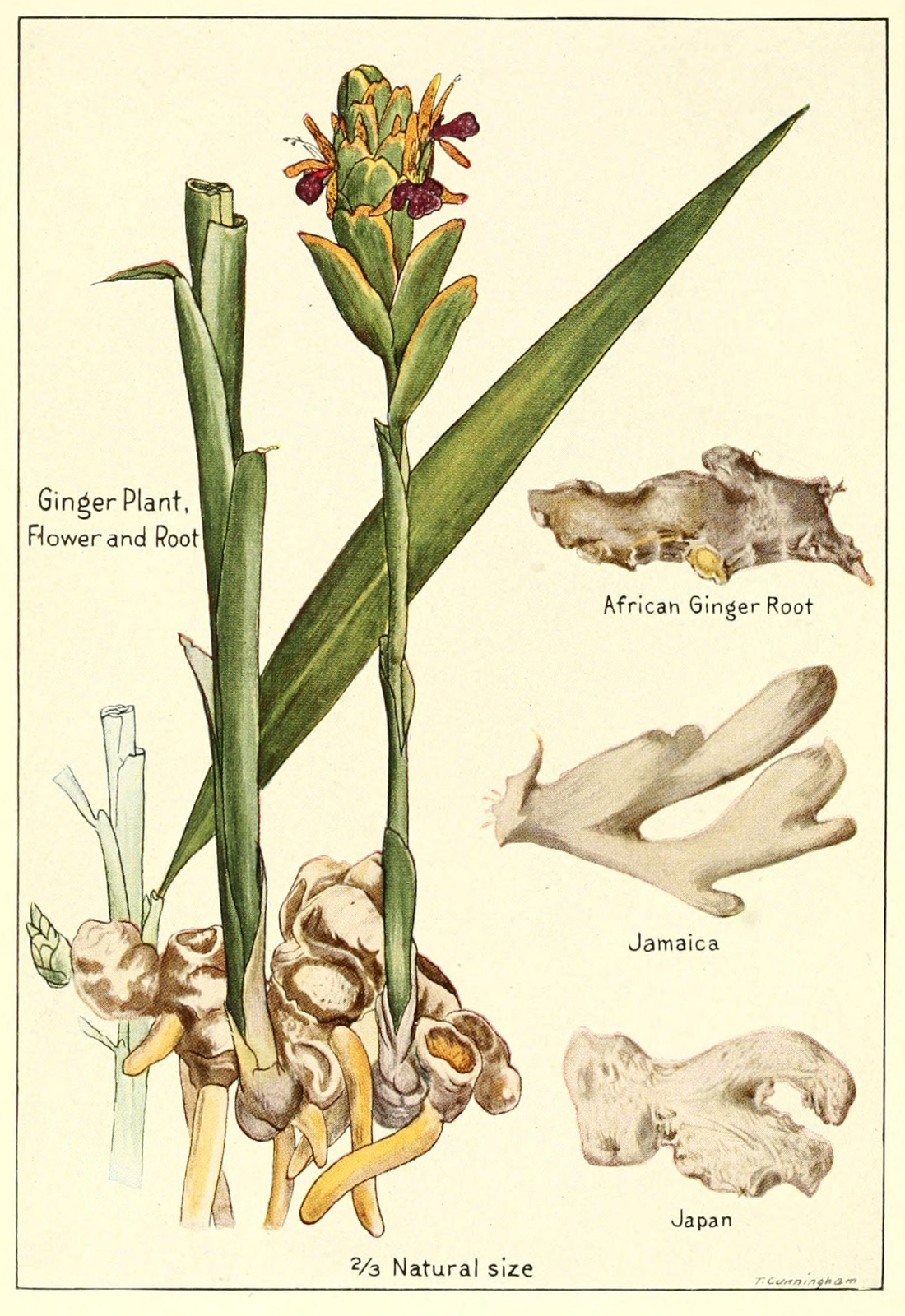
Ginger

Ginger has long been used in folk medicine to treat everything from colds to constipation. Ginger can be used fresh, in powdered form (ginger spice), or candied. Although the flavor between fresh and ground ginger is significantly different, they can be substituted for one another in many recipes. In general, you can replace 1/8 teaspoon of ground ginger with 1 tablespoon of fresh grated ginger, and vice versa.
Consuming ginger and ginger products, in addition to taking any anti-nausea medications as prescribed, may provide some comfort for a queasy stomach during cancer treatment.

Rosemary

Rosemary is a hearty, woody Mediterranean herb that has needlelike leaves and is a good source of antioxidants. Because of its origin, rosemary is commonly used in Mediterranean cooking and you’ll often see it included as a primary ingredient in Italian seasonings. You can use it to add flavor to soups, tomato-based sauces, bread, and high-protein foods like poultry, beef, and lamb.
Rosemary may help with detoxification; taste changes; indigestion, flatulence, and other digestive problems; and loss of appetite. Try drinking up to 3 cups of rosemary leaf tea daily for help with these problems.

Turmeric

Turmeric is an herb in the ginger family; it's the ingredient that makes many curries yellow and gives it its distinctive flavor. Curcumin appears to be the active compound in turmeric. This compound has demonstrated antioxidant and anti-inflammatory properties, potentially protecting against cancer development.
Turmeric extract supplements are currently being studied to see if they have a role in preventing and treating some cancers, including colon, prostate, breast, and skin cancers. Although results appear promising, they have largely been observed in laboratory and animal studies, so it’s unclear whether these results will ultimately translate to humans.

Chile peppers

Chile peppers contain capsaicin, a compound that can relieve pain. When capsaicin is applied topically to the skin, it causes the release of a chemical called substance P. Upon continued use, the amount of substance P eventually produced in that area decreases, reducing pain in the area.
But this doesn’t mean you should go rubbing chile peppers where you have pain. Chile peppers need to be handled very carefully, because they can cause burns if they come in contact with the skin.
Therefore, if you have pain and want to harness the power of chile peppers, ask your oncologist or physician about prescribing a capsaicin cream. It has shown pretty good results with regard to treating neuropathic pain (sharp, shocking pain that follows the path of a nerve) after surgery for cancer.
Another benefit of chile peppers is that they may help with indigestion. Seems counterintuitive, right? But some studies have shown that ingesting small amounts of cayenne may reduce indigestion.
 

Garlic

Garlic belongs to the Allium class of bulb-shaped plants, which also includes chives, leeks, onions, shallots, and scallions. Garlic has a high sulfur content and is also a good source of arginine, oligosaccharides, flavonoids, and selenium, all of which may be beneficial to health. Garlic’s active compound, called allicin, gives it its characteristic odor and is produced when garlic bulbs are chopped, crushed, or otherwise damaged.
Several studies suggest that increased garlic intake reduces the risk of cancers of the stomach, colon, esophagus, pancreas, and breast. It appears that garlic may protect against cancer through numerous mechanisms, including by inhibiting bacterial infections and the formation of cancer-causing substances, promoting DNA repair, and inducing cell death. Garlic supports detoxification and may also support the immune system and help reduce blood pressure.

Peppermint

Peppermint is a natural hybrid cross between water mint and spearmint. It has been used for thousands of years as a digestive aid to relieve gas, indigestion, cramps, and diarrhea. It may also help with symptoms of irritable bowel syndrome and food poisoning. Peppermint appears to calm the muscles of the stomach and improve the flow of bile, enabling food to pass through the stomach more quickly.
If your cancer or treatment is causing an upset stomach, try drinking a cup of peppermint tea. Many commercial varieties are on the market, or you can make your own by boiling dried peppermint leaves in water or adding fresh leaves to boiled water and letting them steep for a few minutes until the tea reaches the desired strength.
Peppermint can also soothe a sore throat. For this reason, it is also sometimes used to relieve the painful mouth sores that can occur from chemotherapy and radiation, or is a key ingredient in treatments for this condition.

Chamomile

Chamomile is thought to have medicinal benefits and has been used throughout history to treat a variety of conditions. Chamomile may help with sleep issues; if sleep is a problem for you, try drinking a strong chamomile tea shortly before bedtime.
Chamomile mouthwash has also been studied for preventing and treating mouth sores from chemotherapy and radiation therapy. Although the results are mixed, there is no harm in giving it a try, provided your oncologist is not opposed. If given the green light, simply make the tea, let it cool, and rinse and gargle as often as desired.
Chamomile tea may be another way to manage digestive problems, including stomach cramps. Chamomile appears to help relax muscle contractions, particularly the smooth muscles of the intestines."


Gorgeous Greek salad

Fotografia: David Loftus
"Nutritional Information - Amount per serving:
  • Calories 220kcal
  • Carbs 9.8g
  • Sugar 8.2g
  • Fat 14.5g
  • Saturates 7.5g
  • Protein 10.1g


Serves 4-6

Ingredients

  • 1 cucumber
  • 4 tomatoes, on the vine
  • 1 green pepper
  • 6 black olives (stone in)
  • 1 red onion, peeled
  • extra virgin olive oil
  • freshly ground black pepper
  • red wine vinegar
  • 1 lemon
  • 200 g feta cheese
  • 1 few sprigs of flowering oregano
  • 1 small bunch of fresh mint

Method

Scratch a fork down the sides of the cucumber so it leaves deep grooves in the skin, then chop into erratic slices at an angle. Roughly chop the tomatoes, deseed and slice the pepper lengthways and add to a salad bowl with the chopped veg.

Destone the olives and tear into the bowl. Halve and finely slice the red onion (you can also try shaving it with a speed peeler), then add to the bowl along with a good drizzle of extra virgin olive oil, a good pinch of black pepper and a splash of red wine vinegar.

Toss everything together, then add a good squeeze of lemon juice. Break the feta in half and place on top, add a scattering of flowering oregano, drizzle over a little more extra virgin olive oil and pick over the mint leaves".

Fonte e imagem: http://www.jamieoliver.com/recipes/vegetables-recipes/gorgeous-greek-salad

Soupe froide de courgettes à la menthe

  • "Personnes : 2
  • Niveau : Facile
  • Préparation: 10 mn
  • Cuisson: 3 mn
  • Prix : Bon marché

Ingrédients:

Préparation :

Lavez les courgettes, puis détaillez-les en petits tronçons.
Plongez-les 3 mn dans l’eau bouillante salée, puis refroidissez-les sous l’eau fraîche.
Lavez la menthe et séchez les feuilles soigneusement.
Mixez les courgettes avec le yaourt nature, le cumin, la menthe, l’huile d’olive, le sel et le piment.
Servez très frais.

L'astuce :

Ne faites pas cette soupe plus d’une heure à l’avance, la peau des courgettes développe parfois après quelques heures un peu d’amertume".

Fonte e imagem: http://www.elle.fr/Elle-a-Table/Recettes-de-cuisine/Soupe-froide-de-courgettes-a-la-menthe-547514

Soupe courgettes-menthe

Fotografia: Catherine Roig
  • "Personnes : 4
  • Niveau : Trés facile
  • Préparation: 5 mn
  • Cuisson: 10 mn
  • Prix : Bon marché

Ingrédients:

Préparation :

Faites revenir un oignon émincé à l’huile d’olive (ou du poireau), ajoutez 4 gousses d’ail, deux ou trois courgettes pelées, 50 cl d’eau, 1 ou 2 tablettes de bouillon de volaille bio, laissez cuire 10 mn, mixez, ajoutez une courgette crue en tranches, remixez longuement. Réchauffez, parsemez de feuilles de menthe fraîche ciselées, et de graines diverses (tournesol, courge…)".

Roasted Carrot, Spinach and Feta Salad

"Packed with the powerful antioxidant beta-carotene, carrots make a great snack. 

Try this roasted carrot, spinach and feta for a delicious, yet healthy lunch. And the best bit? It counts as two of your 5-a-day, contains over a third of your recommended daily allowance of vitamin C, and comes in at just 280 calories. Serves 4.

Ingredients:
450g/1lb carrots, peeled and cut into chunks
1 red onion, cut into wedges
1 red pepper, deseeded and cut into wedges
60ml/4tbsp olive oil
2 whole cloves garlic
45ml/3tbsp pumpkin seeds
5ml/1tsp cumin seeds
juice half a lemon
1 tsp runny honey
1 (100g) bag baby spinach leaves
100g/4oz feta cheese crumbled
30ml/2tbsp chopped fresh mint leaves
Salt and freshly ground black pepper

Method:
1. Preheat the oven to 220C/Fan 200C/Gas Mark 7. Place the carrots, onion, pepper and half the oil in a large roasting tin. Season well. Toss together until everything is coated in oil. Roast for 15 mins. Stir in the seeds and garlic and roast for a further 10 mins until the carrots are just tender but still have a bit of bite.
2. Remove the vegetables from the oven and remove the garlic cloves. On a chopping board, slip the garlic from the papery skin and using the blade of a knife work it to a smooth paste. Put the garlic paste in a small bowl with the remaining oil, lemon juice and honey and whisk together with a fork. Season to taste with salt and pepper.
3. Empty the spinach leaves into a large serving bowl, then add the roasted vegetables, feta cheese, chopped mint and pour over the dressing. Toss lightly together until mixed."

Fonte e imagem:
http://www.marieclaire.co.uk/lifestyle/recipes/453410/roasted-carrot-spinach-and-feta-salad.html