Mostrar mensagens com a etiqueta Açafrão-das-Índias. Mostrar todas as mensagens

7 Cancer-Fighting Culinary Spices and Herbs

By Christina T. Loguidice, Maurie Markman, MD, and Carolyn Lammersfeld from Cancer Nutrition and Recipes For Dummies

"Spices and herbs have long been used for medicinal purposes, such as fighting indigestion and other digestive problems. Although science is uncertain about the direct benefits of consuming certain spices and herbs with regard to protecting against and fighting cancer and its side effects, their indirect beneficial effects may be more easily recognized.
One such effect is their unique flavor profile, which ranges from strong to mild, with only small amounts needed to create a whole new taste sensation. When cancer-related loss of appetite and taste changes occur, which can lead to undesirable weight loss, adding herbs and spices to your cooking may help stimulate your taste buds and reinvigorate your appetite.

Ginger

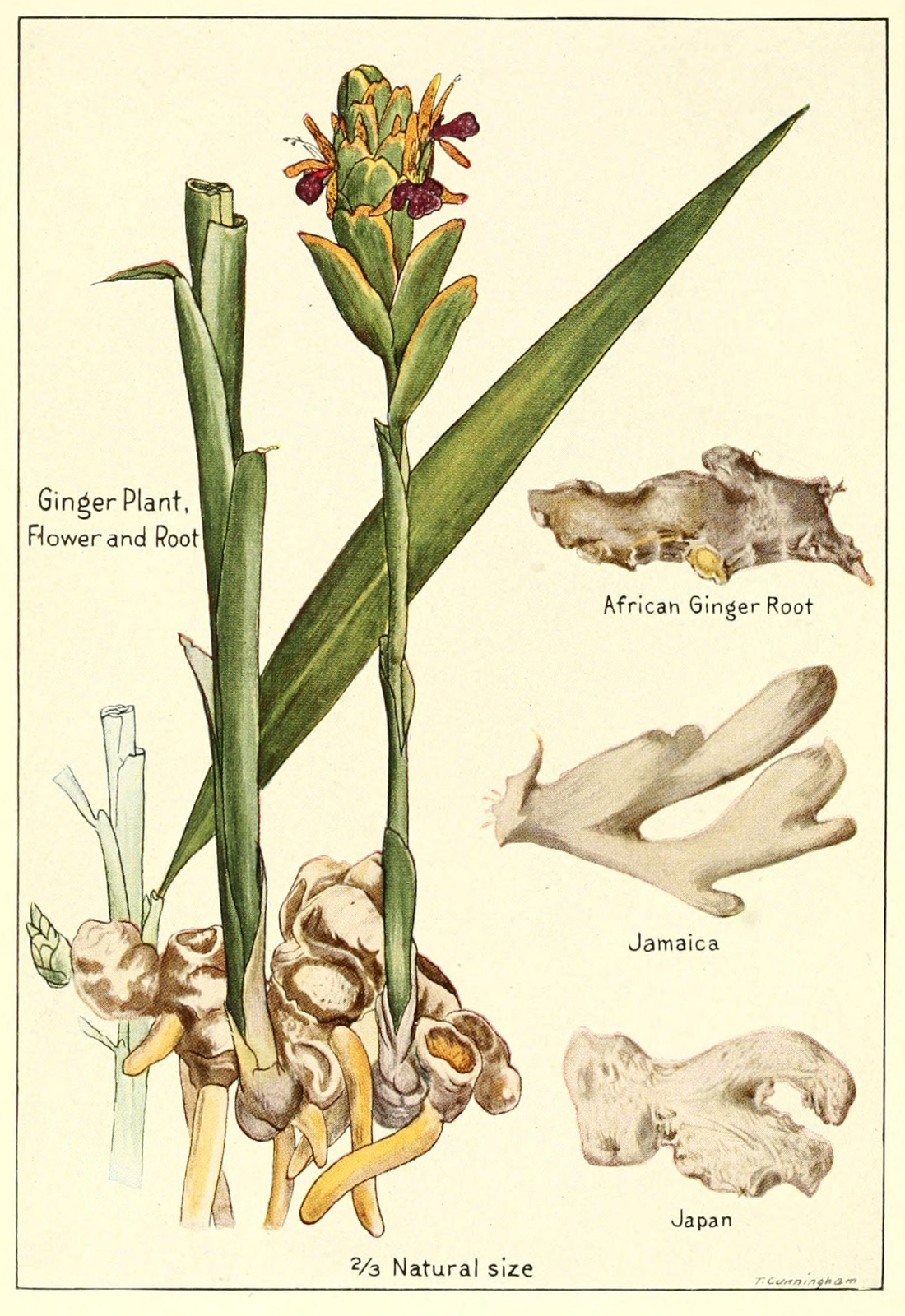
Ginger has long been used in folk medicine to treat everything from colds to constipation. Ginger can be used fresh, in powdered form (ginger spice), or candied. Although the flavor between fresh and ground ginger is significantly different, they can be substituted for one another in many recipes. In general, you can replace 1/8 teaspoon of ground ginger with 1 tablespoon of fresh grated ginger, and vice versa.
Consuming ginger and ginger products, in addition to taking any anti-nausea medications as prescribed, may provide some comfort for a queasy stomach during cancer treatment.

Rosemary

Rosemary is a hearty, woody Mediterranean herb that has needlelike leaves and is a good source of antioxidants. Because of its origin, rosemary is commonly used in Mediterranean cooking and you’ll often see it included as a primary ingredient in Italian seasonings. You can use it to add flavor to soups, tomato-based sauces, bread, and high-protein foods like poultry, beef, and lamb.
Rosemary may help with detoxification; taste changes; indigestion, flatulence, and other digestive problems; and loss of appetite. Try drinking up to 3 cups of rosemary leaf tea daily for help with these problems.

Turmeric

Turmeric is an herb in the ginger family; it's the ingredient that makes many curries yellow and gives it its distinctive flavor. Curcumin appears to be the active compound in turmeric. This compound has demonstrated antioxidant and anti-inflammatory properties, potentially protecting against cancer development.
Turmeric extract supplements are currently being studied to see if they have a role in preventing and treating some cancers, including colon, prostate, breast, and skin cancers. Although results appear promising, they have largely been observed in laboratory and animal studies, so it’s unclear whether these results will ultimately translate to humans.

Chile peppers

Chile peppers contain capsaicin, a compound that can relieve pain. When capsaicin is applied topically to the skin, it causes the release of a chemical called substance P. Upon continued use, the amount of substance P eventually produced in that area decreases, reducing pain in the area.
But this doesn’t mean you should go rubbing chile peppers where you have pain. Chile peppers need to be handled very carefully, because they can cause burns if they come in contact with the skin.
Therefore, if you have pain and want to harness the power of chile peppers, ask your oncologist or physician about prescribing a capsaicin cream. It has shown pretty good results with regard to treating neuropathic pain (sharp, shocking pain that follows the path of a nerve) after surgery for cancer.
Another benefit of chile peppers is that they may help with indigestion. Seems counterintuitive, right? But some studies have shown that ingesting small amounts of cayenne may reduce indigestion.
 

Garlic

Garlic belongs to the Allium class of bulb-shaped plants, which also includes chives, leeks, onions, shallots, and scallions. Garlic has a high sulfur content and is also a good source of arginine, oligosaccharides, flavonoids, and selenium, all of which may be beneficial to health. Garlic’s active compound, called allicin, gives it its characteristic odor and is produced when garlic bulbs are chopped, crushed, or otherwise damaged.
Several studies suggest that increased garlic intake reduces the risk of cancers of the stomach, colon, esophagus, pancreas, and breast. It appears that garlic may protect against cancer through numerous mechanisms, including by inhibiting bacterial infections and the formation of cancer-causing substances, promoting DNA repair, and inducing cell death. Garlic supports detoxification and may also support the immune system and help reduce blood pressure.

Peppermint

Peppermint is a natural hybrid cross between water mint and spearmint. It has been used for thousands of years as a digestive aid to relieve gas, indigestion, cramps, and diarrhea. It may also help with symptoms of irritable bowel syndrome and food poisoning. Peppermint appears to calm the muscles of the stomach and improve the flow of bile, enabling food to pass through the stomach more quickly.
If your cancer or treatment is causing an upset stomach, try drinking a cup of peppermint tea. Many commercial varieties are on the market, or you can make your own by boiling dried peppermint leaves in water or adding fresh leaves to boiled water and letting them steep for a few minutes until the tea reaches the desired strength.
Peppermint can also soothe a sore throat. For this reason, it is also sometimes used to relieve the painful mouth sores that can occur from chemotherapy and radiation, or is a key ingredient in treatments for this condition.

Chamomile

Chamomile is thought to have medicinal benefits and has been used throughout history to treat a variety of conditions. Chamomile may help with sleep issues; if sleep is a problem for you, try drinking a strong chamomile tea shortly before bedtime.
Chamomile mouthwash has also been studied for preventing and treating mouth sores from chemotherapy and radiation therapy. Although the results are mixed, there is no harm in giving it a try, provided your oncologist is not opposed. If given the green light, simply make the tea, let it cool, and rinse and gargle as often as desired.
Chamomile tea may be another way to manage digestive problems, including stomach cramps. Chamomile appears to help relax muscle contractions, particularly the smooth muscles of the intestines."


14 Foods That Fight Inflammation

"Is there an anti-inflammatory diet?
Inflammation is part of the body’s immune response; without it, we can't heal. But when it's out of control—as in rheumatoid arthritis—it can damage the body. Plus, it's thought to play a role in obesity, heart disease, and cancer.
Foods high in sugar and saturated fat can spur inflammation. “They cause overactivity in the immune system, which can lead to joint pain, fatigue, and damage to the blood vessels,” says Scott Zashin, MD, clinical professor at the University of Texas Southwestern Medical Center in Dallas.
Other foods may curb inflammation. Add these items to your plate today.

Fatty fish
Oily fish, like salmon, mackerel, tuna and sardines, are high in omega-3 fatty acids, which have been shown to help reduce inflammation. To get the benefits, however, you need to eat fish several times a week, and it should be cooked in healthy ways: In a 2009 study from the University of Hawaii, men who ate baked or boiled fish (as opposed to fried, dried, or salted) cut their risk of heart disease by 23% compared to those who ate the least.
Not a fan of fish? Consider fish-oil supplements. They can cut inflammation, although a 2013 study found that if a diet is too high in omega-6 fatty acids (found in processed foods and vegetable oil), fish-oil supplements may spur inflammation.

Whole grains
Consuming most of your grains as whole grains, as opposed to refined, white bread, cereal, rice, and pasta can help keep harmful inflammation at bay. That’s because whole grains have more fiber, which has been shown to reduce levels of C-reactive protein, a marker of inflammation in the blood, and they usually have less added sugar.
But a 2013 Harvard study found that not all products labeled “whole grain” are much healthier than their refined counterparts. To be sure you’re getting the benefits, look for foods with a whole grain as the first ingredient, and no added sugars.

Dark leafy greens
Studies have suggested that vitamin E may play a key role in protecting the body from pro-inflammatory molecules called cytokines—and one of the best sources of this vitamin is dark green veggies, such as spinach, kale, broccoli, and collard greens. Dark greens and cruciferous vegetables also tend to have higher concentrations of vitamins and minerals—like calcium, iron, and disease-fighting phytochemicals—than those with lighter-colored leaves.

Nuts
Another source of inflammation-fighting healthy fats is nuts—particularly almonds, which are rich in fiber, calcium, and vitamin E, and walnuts, which have high amounts of alpha-linolenic acid, a type of omega-3 fat. All nuts, though, are packed with antioxidants, which can help your body fight off and repair the damage caused by inflammation. Nuts (along with fish, leafy greens, and whole grains) are a big part of the Mediterranean diet, which has been shown to reduce inflammation in as little as six weeks.

Soy
Several studies have suggested that isoflavones, estrogen-like compounds found in soy products, may help lower CRP and inflammation levels in women—and a 2007 animal study published in the Journal of Inflammation found that isoflavones also helped reduce the negative effects of inflammation on bone and heart health in mice.
Avoid heavily-processed soy whenever possible, which may not include the same benefits and is usually paired with additives and preservatives. Instead, aim to get more soy milk, tofu, and edamame (boiled soybeans) into your regular diet.

Low-fat dairy
Milk products are sometimes considered a trigger food for inflammatory diseases like rheumatoid arthritis, because some people have allergies or intolerances to casein, the protein found in dairy. But for people who can tolerate it, low-fat and nonfat milk are an important source of nutrients. Yogurt can also contain probiotics, which can reduce gut inflammation.
“Foods with calcium and vitamin D, such as yogurt and skim milk, are good for everyone,” says Karen H. Costenbader, MD, associate professor of medicine and rheumatoid arthritis doctor at Harvard Medical School. In addition to their anti-inflammatory properties, she says, “it is important to get enough calcium and vitamin D for bone strength, and possibly reduction of cancer and other health risks.”

Peppers
“Colorful vegetables are part of a healthier diet in general,” says Dr. Costenbader. “As opposed to white potatoes or corn, colorful peppers, tomatoes, squash, and leafy vegetables have high quantities of antioxidant vitamins and lower levels of starch.” Bell peppers are available in a variety of colors, while hot peppers (like chili and cayenne) are rich in capsaicin, a chemical that’s used in topical creams that reduce pain and inflammation.
Peppers, however, are nightshade vegetables—which some doctors and patients believe can exasperate inflammation in people with rheumatoid arthritis. “What helps one person may be harmful to another,” says Dr. Zashin. “You just need to pay attention to your diet and your symptoms, and stick with what works for you.”

Tomatoes
Tomatoes, another nightshade veggie, may also help reduce inflammation in some people. (Of course, Dr. Zashin’s advice about what works for you, individually, applies here, as well.)
Juicy red tomatoes, specifically, are rich in lycopene, which has been shown to reduce inflammation in the lungs and throughout the body. Cooked tomatoes contain even more lycopene than raw ones, so tomato sauce works, too—and a 2012 Iranian study found that tomato juice consumption was also beneficial.

Beets
This vegetable’s brilliant red color is a tip-off to its equally brilliant antioxidant properties: Beets (and beetroot juice) have been shown to reduce inflammation, as well as protect against cancer and heart disease, thanks to their hearty helping of fiber, vitamin C and plant pigments called betalains.

Ginger and turmeric
These spices, common in Asian and Indian cooking, have been shown in various studies to have anti-inflammatory properties. “While the evidence in terms of RA inflammation is not very strong, they are vegetables—and part of a healthy, vegetable-rich diet,” says Dr. Costenbader.
Turmeric, the ingredient that gives curry its yellow color, works in the body by helping to turn off a NF-kappa B, a protein that regulates the immune system and triggers the process of inflammation, researchers say. Its relative ginger, meanwhile, has been shown to reduce inflammation in the intestines when taken in supplement form.

Garlic and onions
There’s a good reason why these pungent vegetables are known for their immunity-boosting properties. In test-tube and animal studies, garlic has been shown to work similarly to NSAID pain medications (like ibuprofen), shutting off the pathways that lead to inflammation. Onions contain similar anti-inflammatory chemicals, including the phytonutrient quercetin and the compound allicin, which breaks down to produce free radical-fighting sulfenic acid.

Olive oil
“Anything that fits into a heart-healthy diet is probably also good for inflammation—and that includes healthy, plant-based fats like olive oil,” says Dr. Zashin, author of Natural Arthritis Treatment. In fact, a 2010 Spanish study found that the Mediterranean diet’s myriad health benefits may be largely due to its liberal use of olive oil, especially the extra-virgin kind. The compound oleocanthal, which gives olive oil its taste, has been shown to have a similar effect as NSAID painkillers in the body.

Berries
All fruits can help fight inflammation, because they’re low in fat and calories and high in antioxidants. But berries, especially, have been shown to have anti-inflammatory properties—possibly because of anthocyanins, the powerful chemicals that gives them their rich color.
Studies have shown, for example, that red raspberry extract helped prevent animals from developing arthritis; that blueberries can help protect against intestinal inflammation and ulcerative colitis; and that women who eat more strawberries have lower levels of CRP in their blood.

Tart cherries
In a 2012 presentation, Oregon Health & Science University researchers suggested that tart cherries have the “highest anti-inflammatory content of any food.” Studies have found that tart cherry juice can reduce the inflammation in lab rats’ blood vessels by up to 50%; in humans, meanwhile, it’s been shown to help athletes improve their performance and reduce their use of anti-inflammatory pain meds.
Experts recommend eating 1.5 cups of tart cherries, or drinking 1 cup of tart cherry juice, a day to see similar benefits. And yep, they’ve got to be tart—sweet cherries just don’t seem to have the same effects".

Surprising Healing Benefits of Spices

By Brynn Mannino, Woman’s Day
Tue, Jun 01, 2010

"Chances are you sprinkle cinnamon into your morning oatmeal or add a dash of oregano to pizza without giving the spices much thought. But did you know your favorite flavors can actually do your body good? According to Christina Suarez, master herbalist and owner of TheGoodHerbCo.com, while spices are only effective when eaten at least daily, each has its own specific health benefits. Read on to find out which additives can burn fat, ease a sore throat or help you get to sleep, and how you can incorporate them into your daily diet.

Cardamom
Fruit of the Elettaria cardamomum plant in the ginger family.
Health Powers: Eases belching, flatulence and indigestion; treats respiratory conditions like coughing, asthma and loss of voice; aids in the elimination of toxins through your skin.
Daily Dose: Stir a few freshly ground pinches of cardamom pods into a shot of OJ or your morning fruit salad, or mix it with white or brown rice before you boil it.
Photo by Shutterstock.


Cayenne
Fruit of the Capsicum annuum plant in the Solanaceae family, along with chile pepper.
Health Powers: Eliminates gas from the stomach and intestines; soothes sore throat, cold and flu symptoms; increases metabolism for weight control.
Daily Dose: Stir into a cup of hot chocolate or any sweet juice drink for a contrasting flavor kick.
Photo by Shutterstock.


Cinnamon
Bark of a small evergreen tree.
Health Powers: Tames nausea and stomach ulcers; functions as a mild anti-inflammatory; increases insulin sensitivity to help focus fat burn.
Daily Dose: Stir into coffee/tea, yogurt, oatmeal or any boxed cereal.
Photo by Shutterstock.

Cloves
Flower bud found at the base of an evergreen tree.
Health Powers: Soothes digestive tract muscles and is a potent antihistamine.
Daily Dose: Mix into your nightly ice cream treat or sneak into mustard spread.
Photo by Shutterstock.


Nutmeg
Fruit of Myristica fragrans,an evergreen tree.
Health Powers: Improves digestion; eases the symptoms of menstruation; induces calm and sleep.
Daily Dose: Grate a small amount into applesauce or plain yogurt. (Note: It’s safe to grate the entire nut, which you can usually buy whole at the supermarket, but you never want to consume more than one nutmeg per day because too much of this potent spice can cause stomach pain, double vision and other uncomfortable reactions.)
Photo by Shutterstock.

Celery Seed
Seed of the Apium graveolens plant in the parsley family.
Health Powers: Flushes the liver of toxins; lowers blood pressure; combats water retention.
Daily Dose: Think salads—tuna, potato and egg all work—which can be tossed onto a bed of lettuce, eaten alone or spread onto bread.
Photo by iStockphoto.

CorianderCoriander
Also known as cilantro; the leaves and seeds of the Coriandrum plant in the aromatic Apiaceae family.
Health Powers: Acts as a diuretic; eases seasonal allergies.
Daily Dose: Cook into couscous and quinoa, which you can store and eat with leftovers.
Photo by Shutterstock.


FennelFennel
Seed of the Foeniculum plant in the aromatic Apiaceae family.
Health Powers: Calms bowel distress; supports milk production in nursing mothers; combats water retention.
Daily Dose: Add to canned minestrones and vegetable soups.
Photo by iStockphoto
 

OreganoOregano
Leaf of the Origanum plant in the mint family.
Health Powers: Loosens mucus; helps treat respiratory illnesses; and calms indigestion.
Daily Dose: Use in any tomato-based foods, like marinara sauces, pizza and soups.
Photo by Shutterstock.


ThymeThyme
Leaf of the Thymus plant in the mint family.
Health Powers: Relaxes the muscle tissue of the gastrointestinal tract; stimulates immune system.
Daily Dose: Toss into any meat-based dishes.
Photo by Shutterstock.


Turmeric
Root of the Circuma plant in the ginger family.
Health Powers: Reduces inflammation (joints, airways); detoxifies the liver.
Daily Dose: Mix in with oil-and-vinegar-based salad dressings.
Photo by Shutterstock."


Fonte:
http://health.yahoo.net/articles/nutrition/surprising-healing-benefits-spices