Mostrar mensagens com a etiqueta Alecrim. Mostrar todas as mensagens

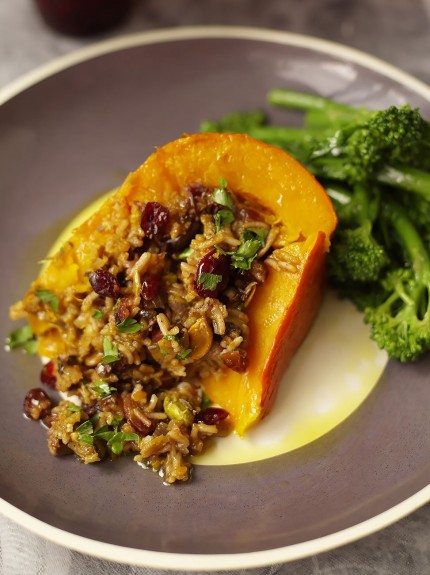
The best baked pumpkin

Stuffed with nutty, fruity rice
“Oven-baked pumpkin is beautiful with spices, like in this really impressive veggie dish ”
Serves 4
Cooks In1H 30M
Difficulty Not too tricky
Vegetables, Halloween/Bonfire Night, Gluten-free, Vegetarian

Nutrition per serving
Calories 587 29%
Fat 48.3g 69%
Saturates 7.4g 37%
Protein 5.9g 13%
Carbs 32.3g 12%
Sugars 17.9g 20%
Salt 0.93g 16%
Fibre 4.9g
Of an adult's reference intake

Ingredients
1 pumpkin, about 1kg
2 cloves garlic, peeled
olive oil
1 red onion , peeled and finely chopped
1 small handful black olives, stoned and chopped
2 sprigs of fresh rosemary, leaves finely chopped
1 dried chilli
sea salt
freshly ground black pepper
½ teaspoon ground nutmeg
½ teaspoon ground cinnamon
50 g basmati rice , washed and drained
75 g dried cranberries
50 g shelled pistachio nuts
1 tangerine , zest of
200 ml organic vegetable stock


Method
Pumpkins are so versatile, the things you can do with them are endless! Their flavour goes well with chilli, nutmeg and sage. If you’ve never cooked one before, you’re in for a real treat.
Preheat the oven to 230ºC/450ºF/gas 8. Cut the lid off the pumpkin and reserve it. Scoop out the seeds with a spoon and keep them to one side. Make the hollow where the seeds were a little bigger by scooping out some more pumpkin flesh. Finely chop this pumpkin flesh and one of the garlic cloves. Heat a frying pan over a medium heat. Pour in a splash of olive oil, then add the chopped pumpkin, chopped garlic, onion, olives, and half the rosemary. Cook gently for 10 minutes or so until the pumpkin has softened.
Meanwhile, place the whole garlic clove and the remaining rosemary in a pestle and mortar. Crumble in the dried chilli, add a good pinch of salt, pepper, nutmeg and cinnamon and bash until you have a paste. Add a little olive oil to loosen up the mixture and then rub the inside of the pumpkin with it.
Season the cooked pumpkin mixture and stir in the rice, cranberries, pistachios and tangerine zest with a pinch each of nutmeg and cinnamon. Mix thoroughly then add the vegetable stock, bring to the boil and simmer for 3 minutes (no longer or the rice will end up overcooked later).
Tear off a sheet of tin foil that’s large enough to wrap the pumpkin in a double layer and lay on top of a baking tray. Place the pumpkin on top and spoon the rice mixture into it, then place its lid back on. Rub the skin with a little olive oil, wrap it up in the foil and bake in the oven for about an hour. The pumpkin is ready when you can easily push a knife into it. Bring it to the table and open it up in front of everyone. Cut it into thick wedges and tuck in, leaving the skin. Serve with seasonal greens.

7 Cancer-Fighting Culinary Spices and Herbs

By Christina T. Loguidice, Maurie Markman, MD, and Carolyn Lammersfeld from Cancer Nutrition and Recipes For Dummies

"Spices and herbs have long been used for medicinal purposes, such as fighting indigestion and other digestive problems. Although science is uncertain about the direct benefits of consuming certain spices and herbs with regard to protecting against and fighting cancer and its side effects, their indirect beneficial effects may be more easily recognized.
One such effect is their unique flavor profile, which ranges from strong to mild, with only small amounts needed to create a whole new taste sensation. When cancer-related loss of appetite and taste changes occur, which can lead to undesirable weight loss, adding herbs and spices to your cooking may help stimulate your taste buds and reinvigorate your appetite.

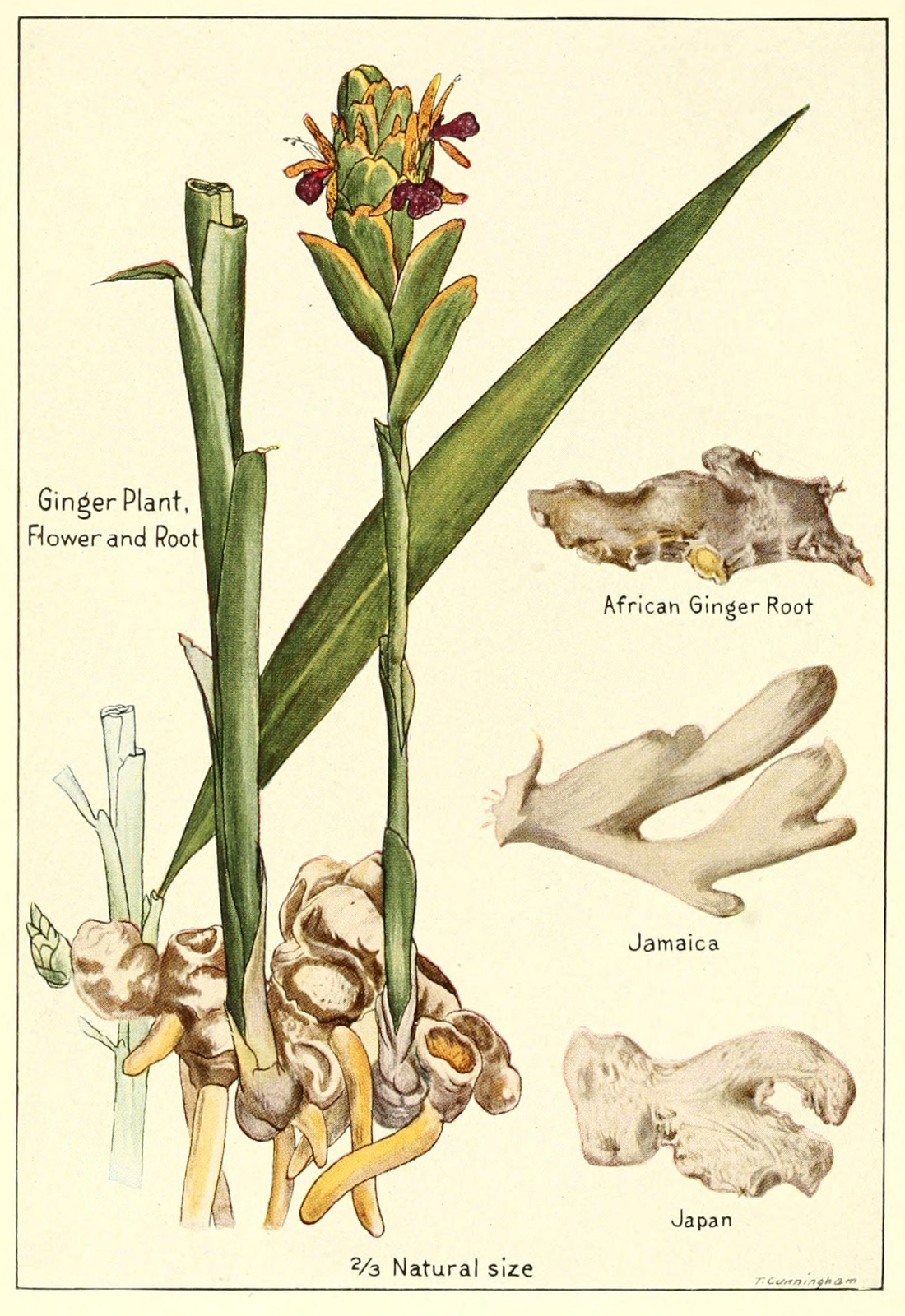
Ginger

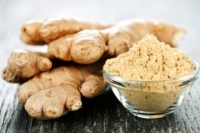
Ginger has long been used in folk medicine to treat everything from colds to constipation. Ginger can be used fresh, in powdered form (ginger spice), or candied. Although the flavor between fresh and ground ginger is significantly different, they can be substituted for one another in many recipes. In general, you can replace 1/8 teaspoon of ground ginger with 1 tablespoon of fresh grated ginger, and vice versa.
Consuming ginger and ginger products, in addition to taking any anti-nausea medications as prescribed, may provide some comfort for a queasy stomach during cancer treatment.

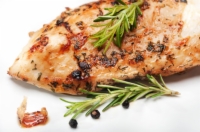
Rosemary

Rosemary is a hearty, woody Mediterranean herb that has needlelike leaves and is a good source of antioxidants. Because of its origin, rosemary is commonly used in Mediterranean cooking and you’ll often see it included as a primary ingredient in Italian seasonings. You can use it to add flavor to soups, tomato-based sauces, bread, and high-protein foods like poultry, beef, and lamb.
Rosemary may help with detoxification; taste changes; indigestion, flatulence, and other digestive problems; and loss of appetite. Try drinking up to 3 cups of rosemary leaf tea daily for help with these problems.

Turmeric

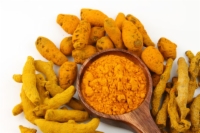
Turmeric is an herb in the ginger family; it's the ingredient that makes many curries yellow and gives it its distinctive flavor. Curcumin appears to be the active compound in turmeric. This compound has demonstrated antioxidant and anti-inflammatory properties, potentially protecting against cancer development.
Turmeric extract supplements are currently being studied to see if they have a role in preventing and treating some cancers, including colon, prostate, breast, and skin cancers. Although results appear promising, they have largely been observed in laboratory and animal studies, so it’s unclear whether these results will ultimately translate to humans.

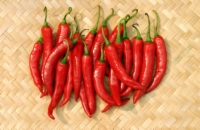
Chile peppers

Chile peppers contain capsaicin, a compound that can relieve pain. When capsaicin is applied topically to the skin, it causes the release of a chemical called substance P. Upon continued use, the amount of substance P eventually produced in that area decreases, reducing pain in the area.
But this doesn’t mean you should go rubbing chile peppers where you have pain. Chile peppers need to be handled very carefully, because they can cause burns if they come in contact with the skin.
Therefore, if you have pain and want to harness the power of chile peppers, ask your oncologist or physician about prescribing a capsaicin cream. It has shown pretty good results with regard to treating neuropathic pain (sharp, shocking pain that follows the path of a nerve) after surgery for cancer.
Another benefit of chile peppers is that they may help with indigestion. Seems counterintuitive, right? But some studies have shown that ingesting small amounts of cayenne may reduce indigestion.
 

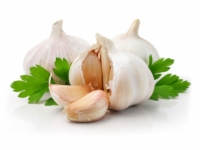
Garlic

Garlic belongs to the Allium class of bulb-shaped plants, which also includes chives, leeks, onions, shallots, and scallions. Garlic has a high sulfur content and is also a good source of arginine, oligosaccharides, flavonoids, and selenium, all of which may be beneficial to health. Garlic’s active compound, called allicin, gives it its characteristic odor and is produced when garlic bulbs are chopped, crushed, or otherwise damaged.
Several studies suggest that increased garlic intake reduces the risk of cancers of the stomach, colon, esophagus, pancreas, and breast. It appears that garlic may protect against cancer through numerous mechanisms, including by inhibiting bacterial infections and the formation of cancer-causing substances, promoting DNA repair, and inducing cell death. Garlic supports detoxification and may also support the immune system and help reduce blood pressure.

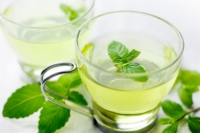
Peppermint

Peppermint is a natural hybrid cross between water mint and spearmint. It has been used for thousands of years as a digestive aid to relieve gas, indigestion, cramps, and diarrhea. It may also help with symptoms of irritable bowel syndrome and food poisoning. Peppermint appears to calm the muscles of the stomach and improve the flow of bile, enabling food to pass through the stomach more quickly.
If your cancer or treatment is causing an upset stomach, try drinking a cup of peppermint tea. Many commercial varieties are on the market, or you can make your own by boiling dried peppermint leaves in water or adding fresh leaves to boiled water and letting them steep for a few minutes until the tea reaches the desired strength.
Peppermint can also soothe a sore throat. For this reason, it is also sometimes used to relieve the painful mouth sores that can occur from chemotherapy and radiation, or is a key ingredient in treatments for this condition.

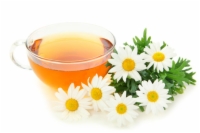
Chamomile

Chamomile is thought to have medicinal benefits and has been used throughout history to treat a variety of conditions. Chamomile may help with sleep issues; if sleep is a problem for you, try drinking a strong chamomile tea shortly before bedtime.
Chamomile mouthwash has also been studied for preventing and treating mouth sores from chemotherapy and radiation therapy. Although the results are mixed, there is no harm in giving it a try, provided your oncologist is not opposed. If given the green light, simply make the tea, let it cool, and rinse and gargle as often as desired.
Chamomile tea may be another way to manage digestive problems, including stomach cramps. Chamomile appears to help relax muscle contractions, particularly the smooth muscles of the intestines."


Usos Criativos para Queijo Cottage

Abóbora recheada

Recheie a abóbora com cebolas refogadas e cogumelos, pão ralado integral, ovos e queijo cottage. Após gratinar, acompanhe com rúcula ou salsa e alecrim fresco.


Batatas recheadas

Asse batatas, recheando com queijo cottage e cebolinho. Polvilhe um pouco de queijo Cheddar ralado, se você preferir.


Aperitivos

Bata o queijo cottage até que esteja macio, em seguida, adicione pimenta preta e ervas. Espalhe em torradas de pão integral e cubra com uma fatia de tomate ou pepino para um aperitivo rápido.


Em substituição de óleo

Use queijo cottage em substituição de óleo em pastelaria. Experimente em pão, muffins e outros artigos de pastelaria.


Fonte e imagens: http://www.sparkpeople.com/resource/slideshow.asp?show=89

Potatoes, mozzarella, rosemary, thyme & tomato pizza topping

"Makes enough for 1 pizza

Ingredients

  • 6 tablespoons tomato sauce
  • 4 new potatoes, cooked
  • 1 small handful fresh rosemary leaves
  • 1 teaspoon thyme tips
  • extra virgin olive oil
  • lemon juice
  • salt
  • freshly ground black pepper
  • 50 g mozzarella

Method

Recipe for pizza dough and tomato sauce can be found here.

Smear the tomato sauce evenly over the pizza base. Slice the potatoes into 0.5cm/¼ inch thick slices and toss in a bowl with the rosemary, thyme, a good lug of olive oil, a small squeeze of lemon juice and a pinch of salt and pepper. Scatter them over the pizza base and put small torn-up pieces of mozzarella into the gaps. Cook until crisp and golden.

  • Calories 544kcal
  • Carbs 38.0g
  • Sugar 6.5g
  • Fat 35.8g
  • Saturates 11.6g
  • Protein 15.1g".


Fonte e imagem: http://www.jamieoliver.com/recipes/bread-recipes/potatoes-mozzarella-rosemary-thyme-and-tomato-pizza-topping

Fougasse tomates-olives

Fotografia: Nathalie Carnet
  • "Personnes : 6
  • Niveau : Trés facile
  • Préparation: 30 mn
  • Cuisson: 20 mn
  • Prix : Bon marché

Ingrédients:

  • 12 olives noires dénoyautées
  • 1 branche de romarin frais
  • 1 cuil. à soupe d’huile d’olive

Préparation :

Ebouillantez les tomates puis rafraîchissez-les sous l’eau courante. Pelez-les, coupez-les en deux et retirez les graines. Hachez grossièrement la pulpe et réservez-la dans une passoire.
Hachez les tomates confites. Epluchez les gousses d’ail et coupez-les en fines lamelles ainsi que les olives. Effeuillez le romarin.
Travaillez la pâte à la main, en incorporant l’huile d’olive, la pulpe de tomate, les tomates confites, les éclats d’olive et d’ail, et le romarin.
Etalez la pâte sur le plan de travail en formant une galette ovale de 1 cm d’épaisseur. Déposez-la sur la plaque du four tapissée de papier sulfurisé et faites-y six entailles obliques à l’aide d’un couteau.
Allumez le four à 210 °C (th. 7).
Laissez lever la pâte 30 mn puis glissez-la au four et faites-la cuire 20 mn environ. Servez la fougasse tiède ou à température ambiante.

Réalisation Elisabeth Scotto. Stylisme Sergio Da Silva".

Fonte e imagem: http://www.elle.fr/Elle-a-Table/Recettes-de-cuisine/Fougasse-tomates-olives-2559758

Batata Doce Frita

Serve quatro pessoas.

Ingredientes: 
• ¾ colheres-de-chá de alecrim seco
• 2 batatas doces médias, descascadas e cortadas em cubos
• 1 maçã, descascada e cortada em cubos
• Sal
• Pimenta preta moída

Instruções: 
Aqueça o formo a 200.º .
Forre uma forma com papel.
Triture o alecrim num almofariz, até obter a textura de sal grosso.
Lave os cubos de batata doce e de maçã. Elimine a água em excesso, deixando-as húmidas.
Polvilhe com o alecrim, o sal e a pimenta; misture com as mãos.
Coloque a mistura no tabuleiro, distribuindo por forma a não sobrepor os cubos.
Asse 15 a 25 minutos, até estarem cozidas e crocantes. Pode ligar o grelhador um a dois minutos, tendo o cuidado de não queimar".

A de Alecrim

in Jornal Público,  
Por Pedro Carvalho, nutricionista

 "O alecrim é, provavelmente, a primeira erva aromática de que ouvimos falar na nossa vida. Ainda antes de estarmos despertos para todas as virtudes e benefícios dos alimentos que nos rodeiam, já o “alecrim aos molhos” é um clássico do nosso ensino primário!
De facto, a “flor do monte” faz uma descida etimológica ao extremo oposto ao ser baptizada pelos Romanos de “orvalho do mar”, fruto do seu aroma característico. E o alecrim faz essa junção fantástica entre os aromas da terra e do mar, parecendo que quando o utilizamos estamos a levar simultaneamente uma floresta e uma praia para dentro de casa!
Este fascínio aromático do alecrim faz com que muitas vezes seja plantado junto a apiários de modo a fazer a delícia das abelhas e aprimorar o sabor do mel. Poderíamos passar o artigo inteiro a falar sobre este fantástico e inconfundível contributo sensorial que o alecrim dá aos alimentos que o rodeiam, mas as suas vantagens não se esgotam na sua fragrância.
Neste contexto, o alecrim depois de seco é a erva aromática com maior capacidade antioxidante no seu estado puro, sendo apenas superado pelo cravinho e orégãos, mas em pó. Os compostos que conferem ao alecrim todo este potencial (ácido rosmarínico, cafeico e carnósico) são os responsáveis pelo seu efeito protector em alguns tipos de cancro – com destaque para o colorectal - ao diminuir a expressão de genes pró-inflamatórios implicados no desenvolvimento tumoral.
Também na modificação positiva das “gorduras do sangue” o alecrim tem uma palavra a dizer, tanto na diminuição do colesterol total e triglicerídeos, como na inibição de fenómenos de peroxidação lipídica, evitando assim complicações como a aterosclerose.
O alecrim será assim melhor se estiver mais próximo do mar do que da terra. Embora seja igualmente um excelente tempero para carnes fortes, é na companhia do peixe que alia plenamente o seu aroma ao seu potencial terapêutico.
 
*Assistente Convidado da Faculdade de Ciências da Nutrição e Alimentação da Universidade do Porto
pedrocarvalho@fcna.up.pt"